
Over nearly three decades as a PT, I’ve found—whether through conversation with patients or simple observation—many opportunities to offer guidance that supports a person’s overall wellness. And by “in support of,” I mean care that extends beyond direct recommendations of exercise or movement health.
Just this past week, two such moments stood out. One was encouraging someone to carry a smaller purse to reduce strain on her shoulders. The other was suggesting a new pair of supportive walking shoes in place of a cushioned pair that seems beneficial but, in reality, can contribute to subtle, repeated stress on the body. In both cases, these small, everyday choices can lead to micro-traumas that accumulate over time, gradually breaking the body down in different ways.
In conversations like these, I’ve often used the phrase, “Where life becomes therapeutic.” While I intended it as a simple, memorable reminder when making daily choices, I’ve come to realize it may not always be immediately clear.
That changed for me this week.
Both individuals responded with genuine joy, each embracing their decision to care for themselves in a more complete and intentional way. I applaud you both. Your willingness to choose differently—and to honor that choice—serves as a powerful example. I share your experiences as a way of healing forward: using one person’s success to help guide another.
So yes—absolutely—healing can be fashionable. But not in the trend-chasing sense we often associate with that word.
In a broader sense, we are witnessing a cultural shift. Taking care of our mental, emotional, and physical well-being is no longer hidden—it’s becoming visible, valued, and even celebrated. Practices like therapy, mindfulness, journaling, rest, and setting boundaries are no longer private acts; they’re being integrated into how people live, express themselves, and connect with others.
You can see it in daily routines, in the creation of wellness spaces, and in the way both men and women speak more openly about growth and self-care.
In that sense, healing can be “fashionable” because:
• It is more visible and socially supported than ever before
• People feel empowered to prioritize it
• It influences lifestyle, environment, and self-expression
But the most meaningful healing goes deeper than what is seen.
It’s not about how it looks—it’s about how it transforms you.
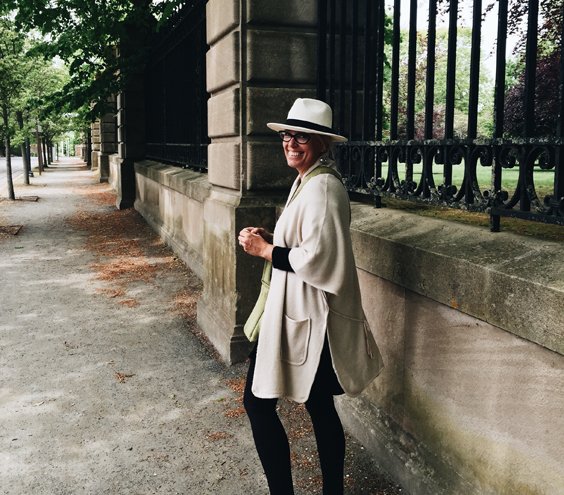
Clothing and accessories in support of healing
—not as a cure, but as quiet, everyday tools that influence how your body feels and how your mind responds to the world. What you wear sits directly on your skin, shapes your posture, and even signals safety or identity to your brain.
Here are some meaningful ways apparel can support healing:
___________________________
1. Comfort as Regulation
Soft, breathable fabrics (like cotton, bamboo, cashmere) can help calm your nervous system. When your body feels physically safe and unrestrained, your mind follows.
• Loose fits can reduce sensory overload
• Weighted items (like heavy hoodies or scarves) can feel grounding
• Seamless or tag less clothing can help if you’re sensitive to touch
______________________________
2. Color & Emotional Influence
Colors subtly affect mood and energy.
• Blues and greens → calming, stabilizing
• Warm tones → energizing, comforting
• Neutral palettes → reduce overstimulation
Some people intentionally dress in colors that match or gently shift how they feel.
______________________________
3. Movement & Breath
Clothing that allows full movement (like stretch fabrics or relaxed silhouettes) supports both physical and emotional release.
• Tight, restrictive clothing can increase tension
• Flowy or flexible pieces encourage deeper breathing and ease
______________________________
4. Identity & Self-Connection
What you wear can help you reconnect with who you are—or who you’re becoming.
• Wearing something that feels authentically you can rebuild confidence
• Certain pieces can act as reminders of strength, growth, or intention
• Even small choices (a ring, necklace, or jacket) can feel symbolic
______________________________
5. Sensory Anchors & Ritual
Accessories can act as grounding tools.
• A bracelet or necklace you touch when anxious
• A scarf that carries a familiar scent
• Clothing tied to a calming routine (like a “safe” hoodie)
These become physical cues that help your mind return to the present.
______________________________
6. Boundaries & Protection
Fashion can create a sense of emotional safety.
• Layers or oversized clothing can feel protective
• Structured outfits can help you feel more in control
• Sunglasses, hats, or headphones can reduce external overwhelm
______________________________
7. Intentional Dressing
Getting dressed can become a healing ritual instead of a rushed task.
• Choosing outfits based on how you want to feel
• Slowing down and checking in with your body
• Treating clothing as self-care rather than performance
The deeper idea
Healing through clothing, apparel and our shoe isn’t about trends—it’s about alignment. When what you wear supports your nervous system, reflects your identity, and respects your comfort, it becomes part of your healing environment.
What about shoes?
Shoes are one of the most underrated pieces when it comes to healing. They literally shape how you move through the world—physically and psychologically. The right pair can reduce pain, improve posture, and even influence your sense of stability and confidence.
Here’s how shoe choices can support healing in a real, practical way:
______________________________
1. Grounding & Nervous System Support
Your feet are packed with nerve endings. What they feel affects your whole body.
• Shoes with flexible soles or “barefoot-style” designs help you feel more connected to the ground
• Stable, well-balanced soles create a sense of physical security
• Walking mindfully in supportive shoes can become a grounding practice
______________________________
2. Pain Reduction & Physical Healing
If your feet hurt, your entire body compensates—knees, hips, back, even posture.
• Cushioned, supportive shoes can reduce strain and fatigue
• Proper arch support helps align your body
• Shock absorption matters if you’re on your feet a lot
This is especially important if you’re dealing with things like Plantar Fasciitis or joint pain.
______________________________
3. Posture & Alignment
Shoes subtly dictate how you stand and walk.
• Flat, unsupportive shoes can lead to collapse in the arches
• Extremely high heels can strain your lower back and joints
• A well-balanced shoe supports a natural, upright posture
Good alignment doesn’t just prevent pain—it can improve your balance, breathing and energy levels.
______________________________
4. Emotional Safety & Confidence
Shoes affect how you feel moving through spaces.
• Sturdy, comfortable shoes can make you feel more grounded and capable
• Shoes that don’t cause pain reduce irritability and distraction
• The “right” pair can give a quiet sense of confidence without forcing it
______________________________
5. Freedom of Movement
Healing often involves reconnecting with your body.
• Lightweight, flexible shoes encourage natural movement
• Shoes that don’t restrict your toes allow better balance and circulation
• Being able to walk comfortably invites more movement, which supports mental health
______________________________
6. Boundaries & Environment Control
Just like clothing, shoes can create a buffer between you and the world.
• Thick soles can feel protective in chaotic environments
• Slip-on shoes can reduce friction in daily routines when energy is low
• Outdoor vs. indoor shoes can help mentally separate spaces (rest vs. activity)
______________________________
7. Ritual & Intention
Even shoes can be part of a healing ritual.
• A specific pair for walks, reflection, or therapy days
• Shoes that signal “I’m stepping into something supportive for myself”
• Taking a moment to put them on mindfully instead of rushing
______________________________
A grounded takeaway
“Healing shoes” aren’t about being trendy, they’re about support, sensation, and alignment. The best pair is one that:
• Feels good immediately (not “after breaking in”)
• Supports your natural movement
• Matches your emotional and physical needs that day
Finally, what about purses and wallets?
Purses and wallets might seem purely functional, but they can play a surprisingly meaningful role in healing, especially around stress, identity, and your sense of control over daily life.
Think of them as containers—not just for items, but for how you carry your energy, responsibilities, and even your relationship with security.
______________________________
1. Weight & Physical Ease
What you carry affects your body more than most people realize.
• Heavy purses can strain shoulders, neck, and back over time
• Crossbody bags distribute weight more evenly than one-shoulder totes
• Downsizing to essentials can literally reduce physical and mental burden
• For wallets, carry it in a front versus back pocket to insure a balanced posture in sitting.
There’s a subtle but real relief in not carrying more than you need.
______________________________
2. Mental Clarity & Organization
A chaotic bag can quietly increase stress.
• Structured compartments reduce the “digging and searching” anxiety
• A simple, organized wallet can create a sense of order and control
• Knowing exactly where things are lowers cognitive load
Small moments of ease throughout the day add up.
______________________________
3. Emotional Boundaries
Your bag is a boundary between you and the outside world.
• Zippers, closures, and structure can create a feeling of safety
• A well-contained space = a sense that your belongings (and by extension, you) are protected
• Choosing what goes inside becomes an act of self-respect
______________________________
4. Identity & Self-Expression
Like clothing, bags and wallets can reflect who you are or who you’re becoming.
• Minimalist designs can support a desire for simplicity
• Bold or meaningful pieces can affirm confidence or creativity
• A wallet you love can shift how you feel about money and self-worth
______________________________
5. Relationship with Money
Wallets, in particular, sit at the intersection of practicality and emotion.
• A clean, intentional wallet can reduce financial avoidance
• Separating cash, cards, and receipts can bring clarity and calm
• Using a wallet that feels “worthy” can subtly reshape scarcity mindsets
It’s not about luxury—it’s about intentionality.
______________________________
6. Ritual & Grounding
These items are touched constantly throughout the day.
• Opening your wallet or bag can become a mindful pause instead of a rushed habit
• Keeping a small grounding object inside (a note, stone, or photo) can offer emotional support
• Even the act of packing your bag can become a check-in with yourself
______________________________
7. Reducing Decision Fatigue
A well-chosen everyday bag simplifies life.
• One reliable, go-to purse eliminates daily indecision
• Fewer items = fewer micro-decisions
• Consistency creates a sense of stability
______________________________
The deeper idea
A purse or wallet supports healing when it shifts from being a cluttered catch-all to a deliberate, supportive space.
It asks:
• What do I actually need to carry today?
• What am I holding onto that I don’t need?
• How can I make this feel lighter—physically and mentally?
I hope this message encourages you to step into a deeper level of wellness for yourself.
So far in 2026, we’ve already sprung forward—into Daylight Saving Time and, hopefully, into the spring season as well. Which leads to the question: what’s next for you?
Are you ready to spring into action—perhaps by re-evaluating your “fashion sense”? And are you also ready to take that next step in caring for your body—whether to restore or preserve your ability to Move Well to Age Well?
I’m always here for you, and I hope to see you soon.
Sincerely,
Dan Miller, PT, MS